Catalunya
Massís del Garraf
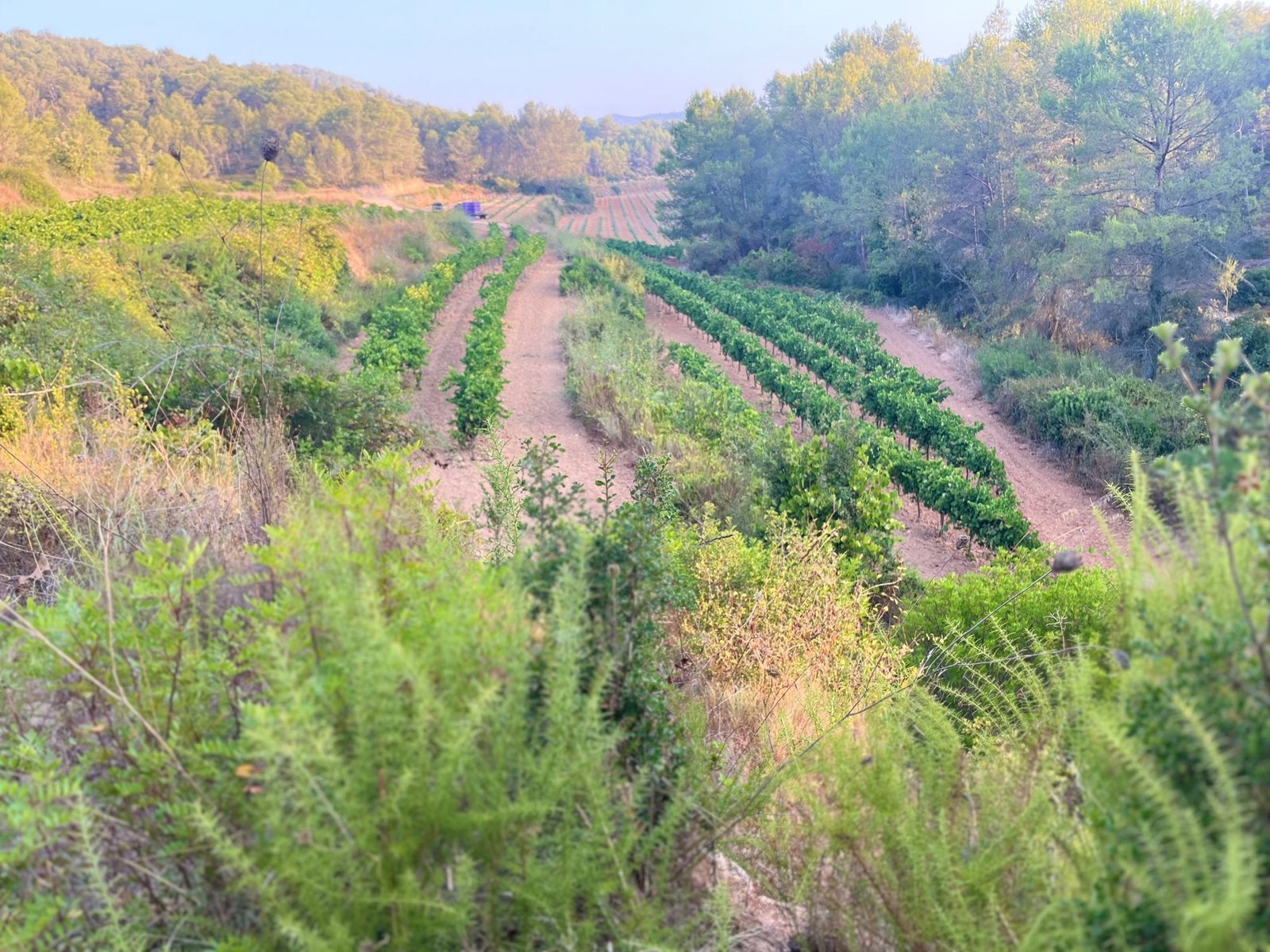
The Massís del Garraf is a limestone massif in the cooler corner of Penedès, outside Barcelona. It is a different place from the rest of the region, and the wines taste like it. My vineyards sit on slopes between forest and scrub, and all of them are ecologically certified.
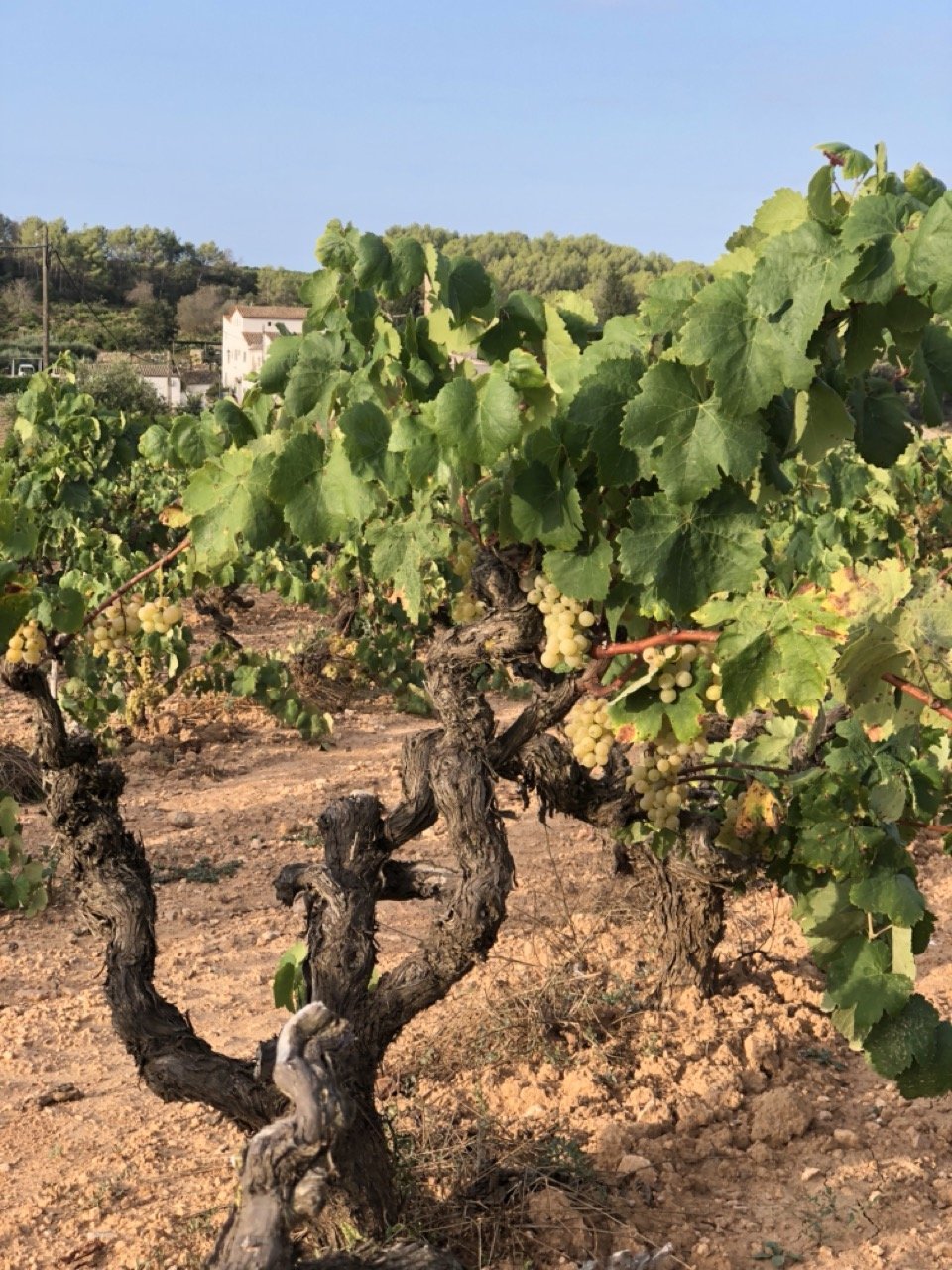
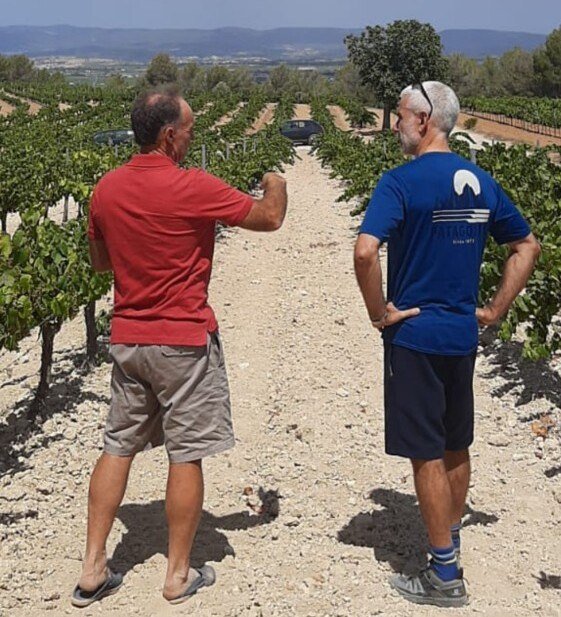
The vines are spread over a few very different spots. Xarel·lo and Macabeu grow in the valley beside L’Arboçar, on old vines in limestone with sand and some clay. The Chardonnay and the Garnatxa are on the rugged hill before the village, where the limestone is very dry and stony, with old fossils in it. Higher up, in the forest of Olivella, the Sumoll gives a lighter, fragrant, savoury red.
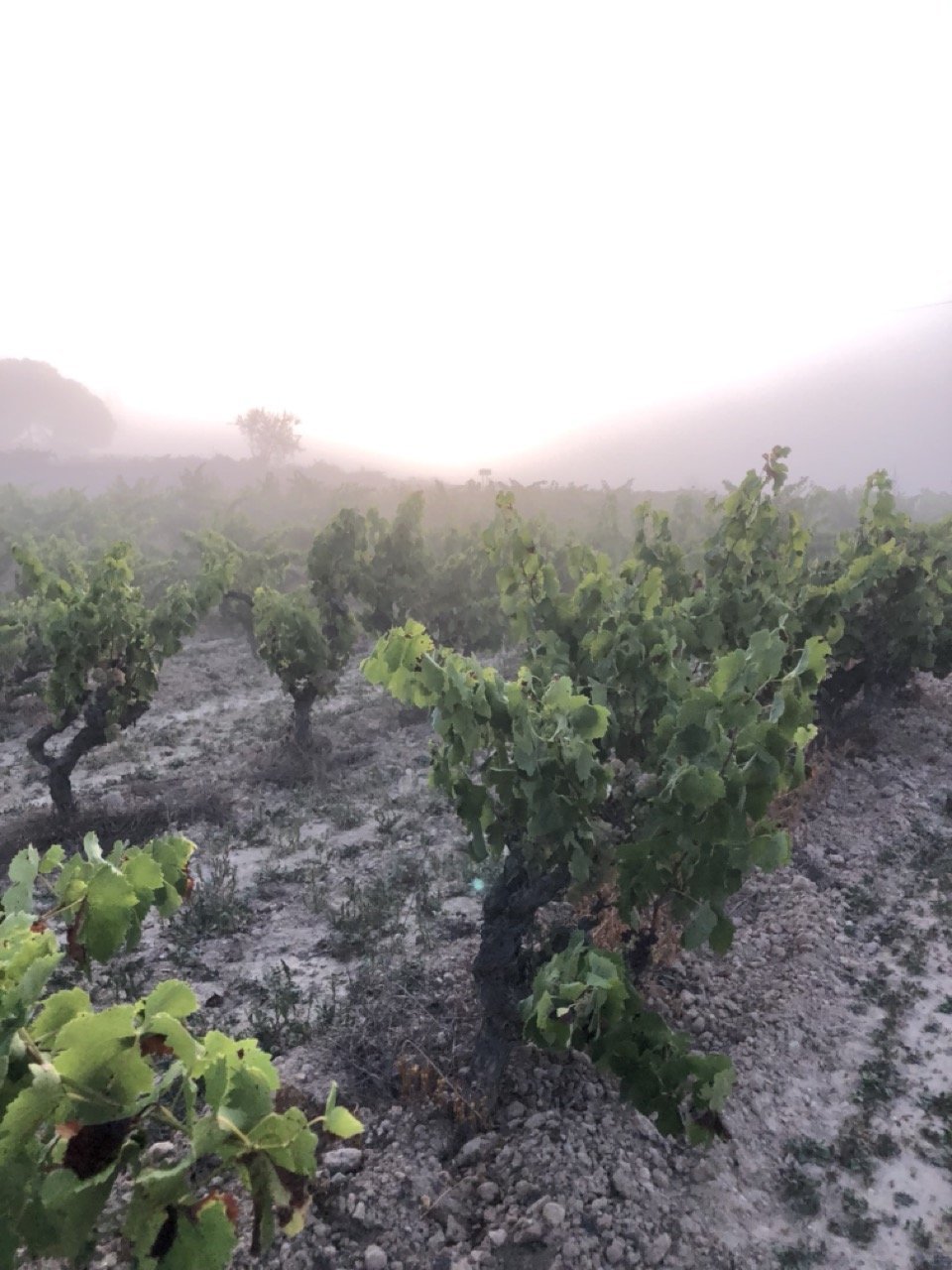
The sea does a lot of the work. Cool breezes from Sitges take the heat out of the afternoons, the vineyards are at 200 to 300 metres, and mist fills the valleys in the morning. Between day and night the temperature drops 10 to 15 °C. That is what keeps the acidity crisp and the wines salty and fresh.
South Africa
Polkadraai, Stellenbosch
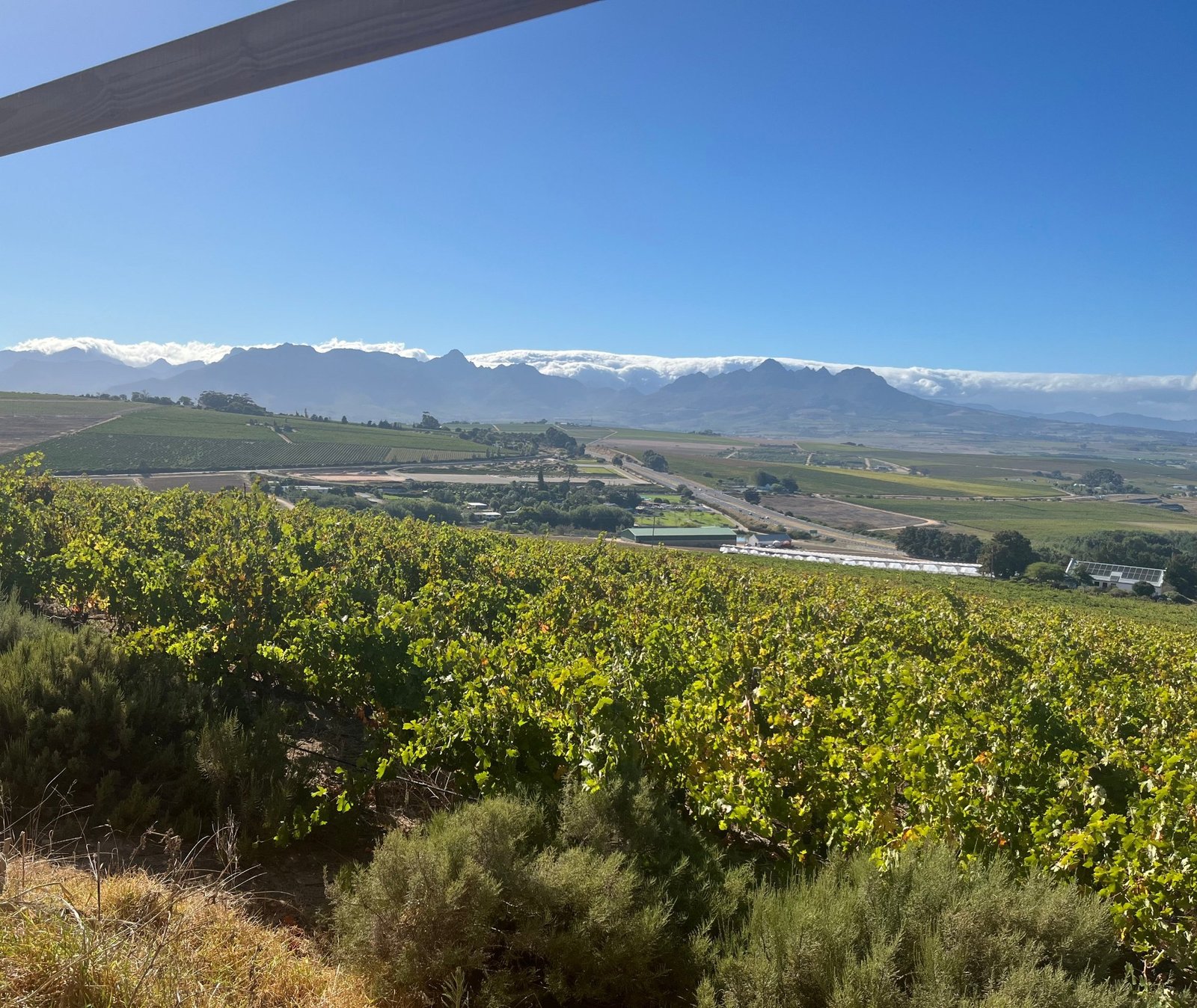
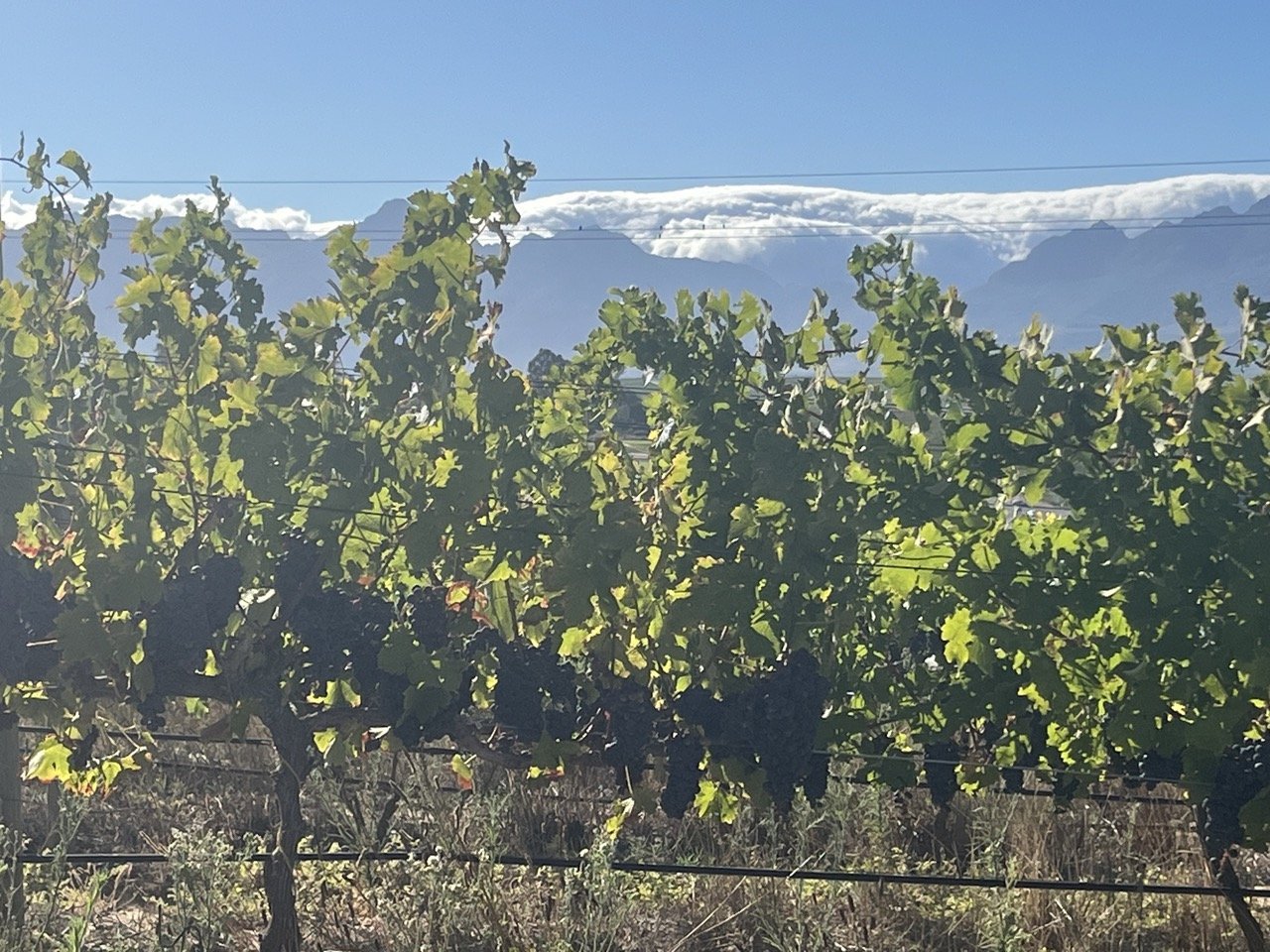
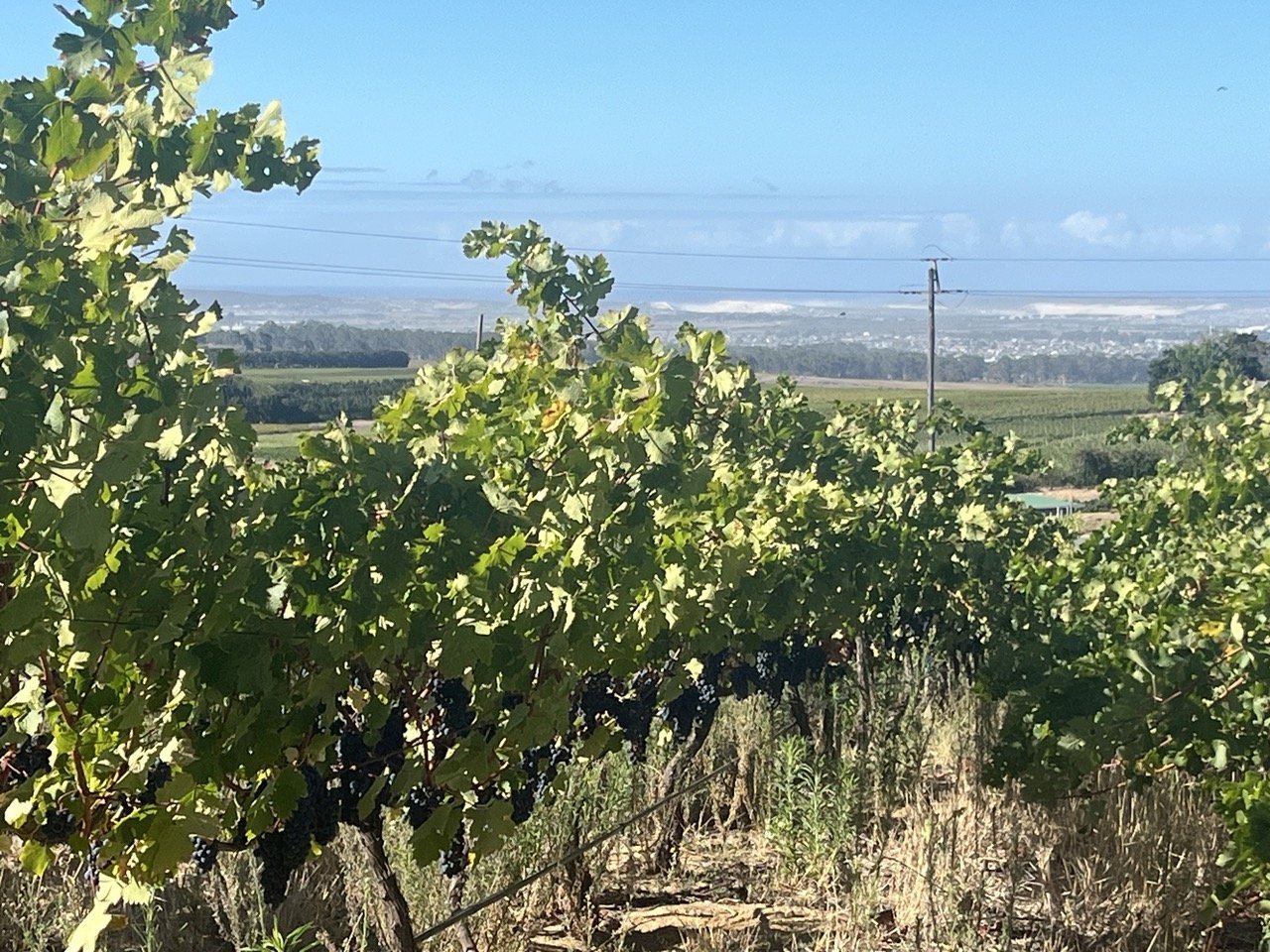
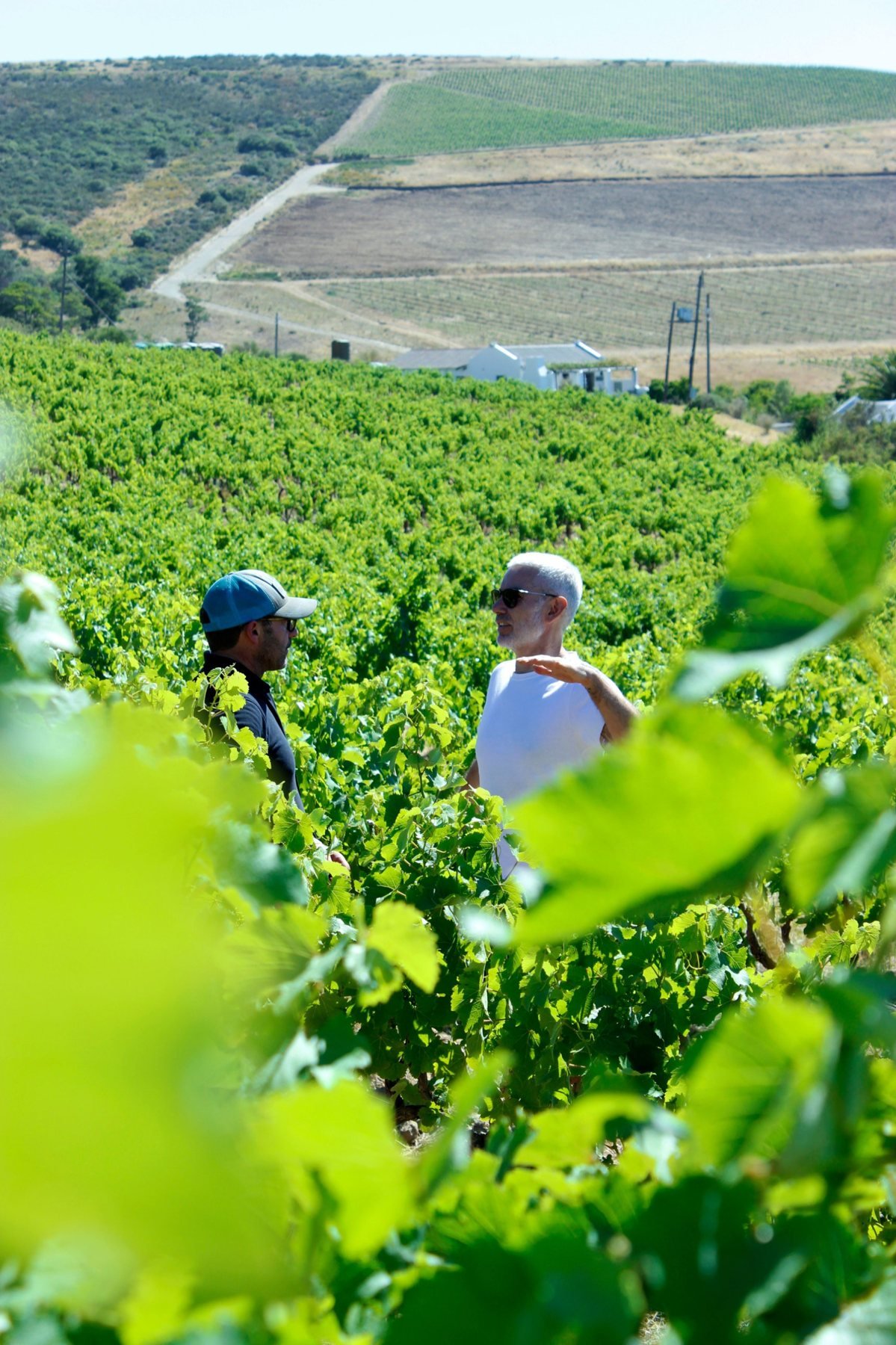
In Stellenbosch I work with growers I trust, on a small set of blocks that I go back to every year. One of them is in the Polkadraai Hills, on white granite with coarse silica, where the sun and the air coming in from False Bay meet. That is where the Chenin Blanc began, and Cabernet Franc, Cabernet Sauvignon and Syrah have since come from nearby blocks.
Some of the Chenin comes from two other places. Helderberg, on red granite and shale, brings coolness. Bottelary gives a broader, riper side. Its western side is granite, and further east the soil turns to old Malmesbury shale. Its older Cinsault grows at the top of a hill on that shale, with a line of sight to the sea, and adds lift and perfume. In all of them the soils and the nearby sea keep the wines bright rather than heavy, which is what I am looking for: a clear, slightly salty line, not richness.